


Favourite Destinations
Favourite destinations
- Kuala Lumpur, Malaysia
- Phnom Penh, Cambodia
- Bali, Indonesia
- Da nang, Vietnam
- Cebu, Philippines
- Manila, Philippines
- London, England
- Singapore
PHNOM PENH
Phnom Penh, the capital of Cambodia, is a fascinating destination where ancient Khmer traditions, French colonial influences, and modern city life come together. Although the city may not have the tropical beaches of Sihanoukville or the magnificent temples of Siem Reap, Phnom Penh offers travelers a completely different experience. Here, visitors can discover Cambodia’s rich history, royal heritage, traditional culture, local cuisine, and vibrant everyday life.
Often referred to as the “Pearl of Asia,” Phnom Penh is an ideal destination for travelers who want to understand Cambodia beyond its famous temples. From magnificent royal buildings and ancient pagodas to lively markets and peaceful riverside streets, the city offers a fascinating journey through the past and present of the country.
Wat Phnom – The Symbol of Phnom Penh
One of the first places visitors should explore is Wat Phnom, one of the oldest and most important temples in the city. Located on a small hill in the heart of Phnom Penh, the temple is closely associated with the legend behind the city’s name.
The temple features traditional Khmer architecture, beautiful religious decorations, and a peaceful atmosphere surrounded by trees. From the elevated grounds, visitors can also enjoy views of the surrounding city.
Wat Phnom is not only a religious site but also an excellent place to learn about local traditions, legends, and the history of Phnom Penh.
The Royal Palace – A Glimpse into Cambodia’s Royal Heritage
The Royal Palace is undoubtedly one of the most impressive landmarks in Phnom Penh. Built in the 19th century, the complex serves as the official residence of the King of Cambodia and is a remarkable example of traditional Khmer architecture.
The palace complex consists of elegant buildings, beautifully landscaped gardens, ceremonial halls, and ornate decorations. Visitors can admire the distinctive golden roofs and detailed Khmer architectural elements while learning about Cambodia’s royal traditions.
Nearby, the Silver Pagoda is another important attraction. The pagoda is famous for its beautiful interior and valuable religious treasures, making it one of the most fascinating cultural sites in the capital.
A visit to the Royal Palace and Silver Pagoda provides travelers with a deeper understanding of Cambodia’s royal history, religion, and cultural identity.
National Museum – Discover Cambodia’s Ancient Heritage
For travelers interested in history and art, the National Museum of Cambodia is a destination not to be missed.
The museum houses one of the country’s most important collections of Khmer art and archaeological artifacts, including sculptures, ceramics, bronze objects, and traditional cultural treasures.
The museum itself is also architecturally impressive, featuring a traditional Khmer design with red-toned buildings and beautiful courtyards.
A visit here is an excellent way to gain a better understanding of Cambodia’s artistic heritage before exploring other historical destinations throughout the country.
Choeung Ek – A Place to Remember Cambodia’s History
Phnom Penh is also a destination where visitors can learn about one of the most difficult periods in Cambodia’s modern history.
Choeung Ek Genocidal Center, commonly known as the Killing Fields, is located outside the city center. During the Khmer Rouge period in the late 1970s, this site became one of the locations associated with mass executions.
Today, the site has been preserved as a memorial and educational destination. Visitors can learn about the victims and the tragic events that affected Cambodia during this period.
Although the experience can be emotional, visiting Choeung Ek provides an important opportunity to understand Cambodia’s history and the country’s journey toward peace and recovery.
Tuol Sleng Genocide Museum – Understanding the Past
Another important historical site is the Tuol Sleng Genocide Museum, located in a former school that was transformed into a prison during the Khmer Rouge regime.
The museum preserves photographs, documents, and other historical materials related to the victims and events of that period.
Together with Choeung Ek, Tuol Sleng provides visitors with a deeper perspective on Cambodia’s recent history. Travelers should approach these sites with respect, as they are memorials dedicated to people who lost their lives during a tragic period.
Koh Dach – Experience Traditional Cambodian Craftsmanship
If you want to escape the busy streets of Phnom Penh and experience a more traditional side of Cambodian life, consider visiting Koh Dach, also known as Silk Island.
Located on the Mekong River, the island is known for traditional handicrafts, particularly silk weaving. Visitors can explore local villages, observe traditional weaving techniques, and learn more about the daily lives of Cambodian families.
The peaceful countryside, traditional wooden houses, green fields, and friendly local communities offer a completely different atmosphere from the busy capital.
Travelers can also purchase locally made handicrafts and textiles as meaningful souvenirs.
Explore Phnom Penh’s Markets
One of the best ways to experience local life is to explore Phnom Penh’s lively markets.
Central Market, housed in a distinctive art-deco building, is one of the city’s most famous shopping destinations. Visitors can find clothing, jewelry, souvenirs, handicrafts, electronics, fresh produce, and local snacks.
For a more traditional experience, local markets offer opportunities to discover Cambodian street food and observe everyday life.
Shopping in Phnom Penh is generally affordable, and bargaining is common in many markets. Visitors can find souvenirs made from silk, silver, wood, textiles, and other traditional materials.
Taste the Flavors of Cambodian Cuisine
A journey to Phnom Penh would not be complete without trying Cambodian cuisine.
Visitors can discover a wide range of traditional dishes, from familiar Southeast Asian flavors to unique Cambodian specialties.
Popular choices include fish amok, Khmer noodles, beef lok lak, fresh spring rolls, Cambodian curries, and a variety of grilled seafood.
For adventurous travelers, local markets also offer unusual snacks and street foods that may include fried insects and other regional specialties.
Phnom Penh also has a growing restaurant scene, ranging from inexpensive local eateries to elegant restaurants serving modern Cambodian and international cuisine.
Enjoy Phnom Penh’s Riverside at Sunset
The Mekong and Tonle Sap rivers play an important role in the character of Phnom Penh. One of the best places to enjoy the city in the evening is Sisowath Quay, the lively riverside promenade.
Visitors can take a leisurely walk along the river, enjoy a coffee or dinner, watch boats passing by, or simply relax while watching the sunset.
The area becomes particularly lively in the evening, with restaurants, cafés, bars, shops, and street vendors attracting both locals and international visitors.
Discover Phnom Penh by Tuk-Tuk
One of the most enjoyable ways to explore Phnom Penh is by tuk-tuk. These three-wheeled vehicles are a familiar part of everyday life in Cambodia and provide an affordable and convenient way to travel around the city.
Visitors can use tuk-tuks to move between major attractions, markets, restaurants, and riverside areas. Before starting a journey, it is advisable to agree on the fare or use a reputable ride-hailing service to avoid misunderstandings.
For travelers who prefer greater comfort, private cars and guided city tours are also readily available.
Combine Phnom Penh with Other Cambodian Destinations
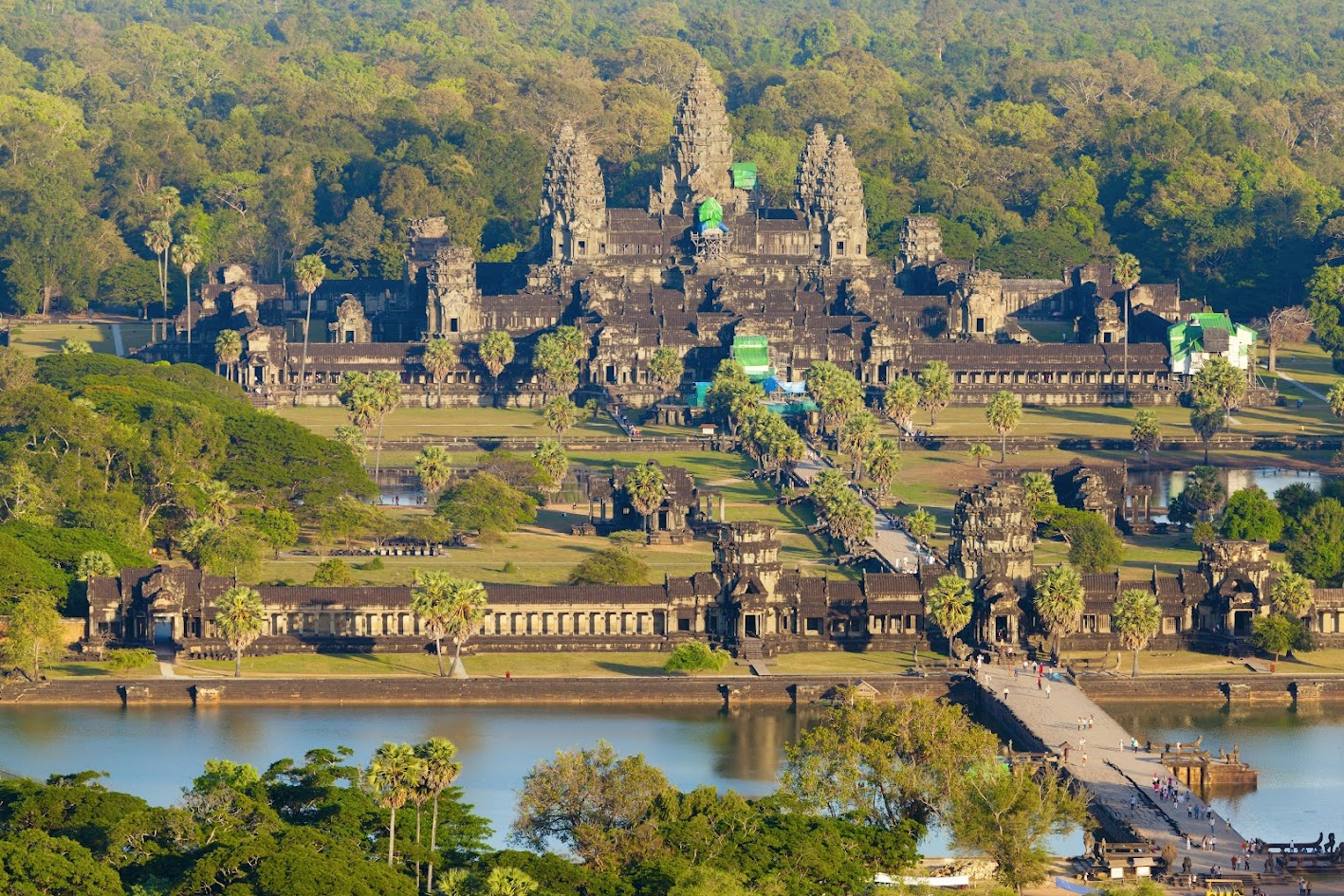
Phnom Penh is an excellent starting point for exploring Cambodia. Travelers can combine the capital with Siem Reap and Angkor Wat, Cambodia’s most famous archaeological destination.
Another popular option is to combine Phnom Penh with destinations in southern Cambodia, including coastal areas and islands.
For travelers arriving from Vietnam, Phnom Penh is also relatively easy to reach from Ho Chi Minh City by bus or private transfer. This makes a combined Vietnam–Cambodia itinerary a convenient choice for those who want to experience several destinations in one journey.
International flights are also available to Phnom Penh International Airport, providing convenient connections with major cities in Southeast Asia and beyond.
Some Travel Tips for Your Phnom Penh Trip
- Wear respectful clothing when visiting temples, pagodas, and religious sites.
- Bring comfortable shoes because many attractions require walking.
- Keep your personal belongings secure when traveling through crowded markets and busy streets.
- When using tuk-tuks, agree on the price before starting your journey or use a reliable booking service.
- Allow enough time to visit the historical museums and memorial sites, as these experiences can be emotionally intense.
- Try local food at reputable restaurants or busy food stalls to enjoy authentic Cambodian flavors while maintaining good food hygiene.
Phnom Penh – Where History Meets Modern Life
Phnom Penh is much more than a stopover on the way to Angkor Wat. It is a city where royal heritage, ancient Khmer culture, difficult historical memories, traditional craftsmanship, local cuisine, and modern urban life exist side by side.
From the magnificent Royal Palace and peaceful Wat Phnom to the National Museum, historic memorial sites, lively markets, and beautiful riverside streets, Phnom Penh offers travelers an opportunity to discover many different sides of Cambodia.
Whether you are interested in history, culture, architecture, food, shopping, or simply want to experience authentic Cambodian life, Phnom Penh is a destination worth adding to your itinerary.
Let us take you on a memorable journey to Phnom Penh – the vibrant heart of Cambodia, where ancient traditions meet modern life and every corner tells a story about the country’s remarkable past and promising future.